The Wiggle Method (And Why It Backfires)
 Tara Gallagher
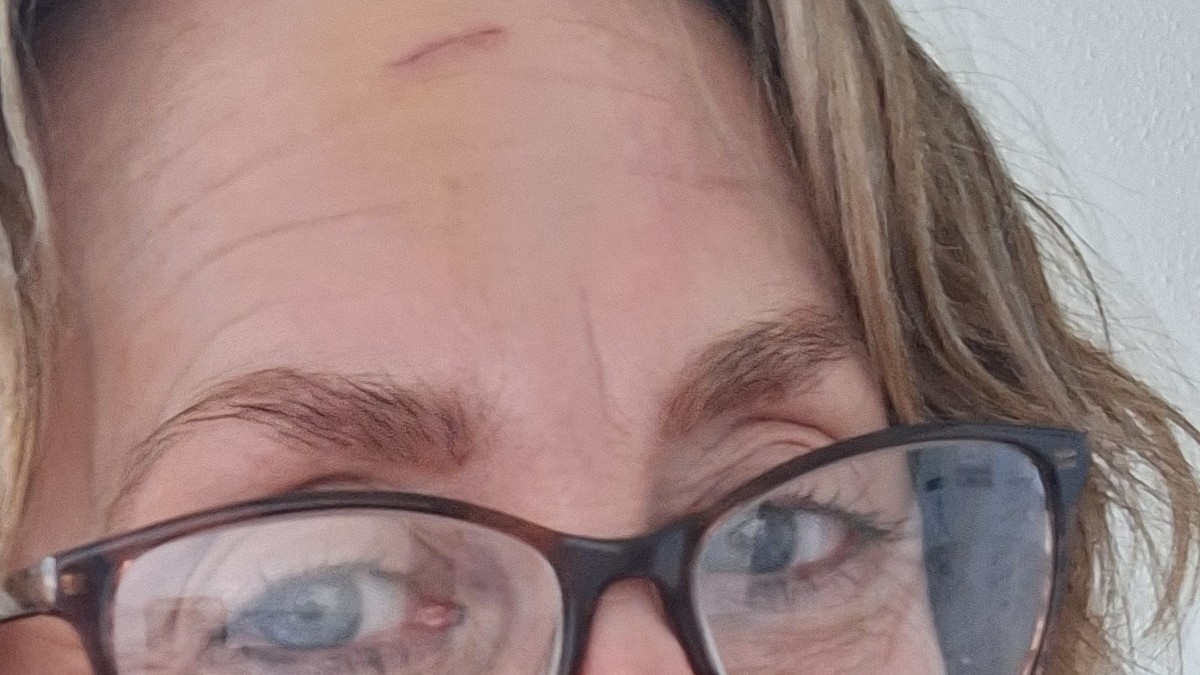
A hoover, a bruised forehead, and what it made me realise about the difference between coping with a reaction and changing it.
The Wiggle Method (And Why It Backfires)
This week I smashed a hoover into my own forehead.
Blood.
A proper cut.
Instant lump.
Now a bruise going green.
Here’s what actually happened.
I put the hoover in the car.
It squashed a bag underneath it.
It got wedged.
Now the sensible thing would have been:
Take the hoover back out.
Reposition the bag.
Put it back in properly.
Instead?
I tried to wiggle the bag out from underneath it while holding the hoover upright by the bin handle.
I didn’t want to undo the step.
I didn’t want to reset it.
I just wanted to adjust around it.
The bin clip snapped.
The container came loose.
And it smashed straight into my forehead.
All because I tried to skip one small reset.
And that’s the part that stayed with me.
The Wiggle Strategy
This is what so many high-functioning women do with their nervous systems.
Something gets wedged.
A dynamic.
A pattern.
An imprint.
Instead of lifting it out and resetting properly,
we try to wiggle around it.
We regulate over it.
We understand it.
We manage it.
We hold the whole structure upright while trying to subtly extract the discomfort underneath.
And it works… for a while.
Until the clip snaps.
What That Looks Like In Real Life
You notice you’re bracing in your relationship.
Instead of going to the root imprint of abandonment,
you breathe through the spike and carry on.
You notice you swallow your voice.
Instead of clearing the original fear attached to speaking up,
you just become more mindful about how you say things.
You notice you over-function.
Instead of recalibrating the imprint that says “I must hold everything,”
you just try to organise better.
You’re not avoiding.
You’re coping beautifully.
But you’re still holding the hoover upright by a fragile clip.
The Difference Between Adjusting and Resetting
Resourcing is powerful.
Regulation is essential.
Understanding your patterns matters.
But there’s a difference between:
Adjusting around an imprint
and
Recalibrating it.
When we recalibrate the imprint:
The emotional charge drops.
The body stops bracing.
The belief loses intensity.
The behaviour shifts without force.
You’re not wiggling anymore.
You’ve reset the structure.
Why This Matters
The wiggle method feels quicker.
Less disruptive.
Less confronting.
Less inconvenient.
But it’s rarely cheaper.
Because when the clip snaps, it costs:
Energy.
Time.
Confidence.
Sometimes relationships.
Sometimes health.
And sometimes - like me this week -
a replacement part and a bruised forehead.
This Is The Work
My work isn’t about endlessly managing responses.
It’s about lifting the hoover out properly.
Meeting the root imprint.
Removing the charge.
Letting your nervous system register that it’s safe now.
No cracking you open.
No drama.
No forcing breakthroughs.
Just a steady reset at the root.
Because once the charge is gone,
you don’t need to hold everything so tightly.
My bruise is fading.
The replacement clip is on its way.
And next time?
I’ll reset properly instead of wiggling.
The question is -
Where are you wiggling instead of resetting?
Sometimes the thing you’ve been managing for years isn’t meant to be managed anymore.
It’s meant to be cleared.
(And if you’re curious about how that actually works, you can explore that here.)
Categories: : Subconscious Healing and REMAP